You wake up tired, skip breakfast, and live on coffee until a 3 p.m. vending machine snack. Then your doctor mentions your blood pressure is creeping up, and it feels like one more thing to manage. The good news is that you don't need a two-hour gym plan or a complicated diet. A simple daily routine to lower blood pressure naturally can fit into the gaps of a packed day, and small habits repeated daily add up faster than most people expect. In this guide, you'll learn what pushes your numbers up, the exact routine to follow from morning to night, and how to make it stick.
Why Your Blood Pressure Creeps Up When Life Gets Busy
The Everyday Triggers You Might Be Missing
Blood pressure rarely rises because of one big mistake. It's usually a stack of small ones: too much sodium, long hours sitting, poor sleep, constant stress, and too little potassium from fruits and vegetables. Stress hormones tighten your blood vessels temporarily, and when stress never lets up, pressure can stay elevated.
If you're wondering how to maintain healthy blood pressure with a busy schedule, start by spotting hidden salt. It hides in bread, sauces, instant noodles, canned soups, and deli meats, not just the salt shaker. Restaurant and takeaway meals are another big source, which is why busy people often consume far more sodium than they realize.
Know Your Numbers Before You Change Anything
You can't improve what you don't measure. Here's a quick guide to blood pressure categories for adults:
- Normal: below 120/80 mmHg
- Elevated: 120–129 systolic and below 80 diastolic
- Stage 1 high blood pressure: 130–139 or 80–89
- Stage 2 high blood pressure: 140/90 or higher
One high reading isn't a diagnosis. Stress, caffeine, or a rushed morning can all cause a spike. For accurate home readings, sit quietly for five minutes with your feet flat and your arm supported at heart level. Take two readings a minute apart at the same times each day, and write them down. A simple log gives your doctor real data and shows whether your routine is working.
The Simple Daily Routine: Morning to Midday
Morning: Start With Water, Movement, and a Smart Breakfast
Your morning sets the tone, and it doesn't need to take long. Drink a glass of water first, then spend five to ten minutes stretching or walking. If you check your blood pressure at home, do it before coffee.
For breakfast, choose foods rich in potassium, magnesium, and fiber, which support relaxed blood vessels and balanced sodium levels:
- Oats topped with banana and unsalted nuts
- Plain yogurt with berries
- Eggs with sautéed spinach and whole-grain toast
Coffee is fine for most people in moderation, but caffeine can cause a short-term rise in readings, so avoid drinking several cups back to back. Among the natural ways to keep blood pressure in a healthy range, this kind of balanced, low-salt breakfast is one of the easiest to repeat every day.
Workday: Move, Breathe, and Snack Smarter
Sitting for hours is hard on your heart, so set a reminder to stand up every 30 to 60 minutes. Health guidelines recommend about 150 minutes of moderate activity a week. You don't need a gym for that. Three 10-minute walks a day, such as after lunch or during phone calls, add up quickly.
Add a two-minute breathing break when stress builds. Inhale slowly for four seconds, exhale for six, and repeat. Slow breathing calms your nervous system and can ease tension in the moment.
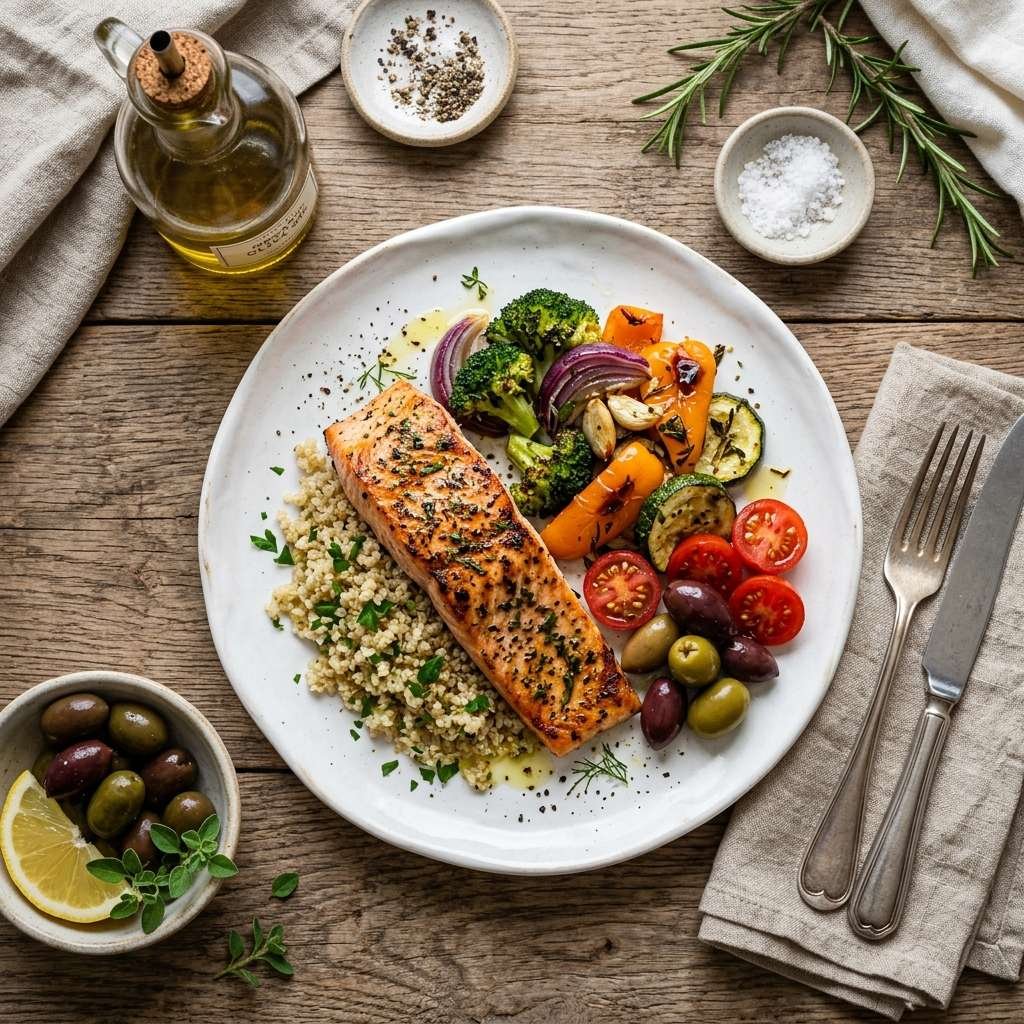
For lunch, follow a simple DASH-style plate: half vegetables, a quarter whole grains or beans, and a quarter lean protein. Choose lower-sodium options and check labels on sauces and packaged foods. For snacks, keep unsalted nuts, fruit, or yogurt at your desk. The best healthy blood pressure habits for busy people are the ones you attach to something you already do, like a coffee break, a meeting, or a commute.
Evening Wind-Down, Tracking, and When to Get Help
Evening: Light Dinner, Gentle Movement, and Better Sleep
Try to finish dinner two to three hours before bed. Grilled fish, lentils, and roasted vegetables are good choices. Flavor them with lemon, garlic, herbs, and spices instead of extra salt, and your taste buds will adjust within a few weeks.
If you drink alcohol, keep it modest: no more than one drink a day for women and two for men, and less is better. Heavy drinking can raise blood pressure over time.
After dinner, take a relaxed 10-minute walk or do light stretching. Then put screens away 30 to 60 minutes before bed. Aim for seven or more hours of sleep, because poor sleep is linked to higher blood pressure. A consistent bedtime is one of the most underrated parts of any routine.
When to See a Doctor
This routine supports your health, but it doesn't replace medical care. If your home readings stay at 130/80 or above, book an appointment. If you already take blood pressure medication, don't stop or change it without talking to your doctor, even if your numbers improve.
Seek emergency help if your reading is 180/120 or higher and you have chest pain, shortness of breath, a severe headache, vision changes, or weakness. This article is general information, not personal medical advice.
Conclusion
Healthy blood pressure isn't about perfection. It's about small, repeatable actions from morning to night. Now you know how to maintain healthy blood pressure with a busy schedule, and you can build healthy blood pressure habits for busy people around routines you already have. Combine a low-salt, plant-rich diet, regular movement, better sleep, and stress breaks, and you'll have natural ways to keep blood pressure in a healthy range that you can follow for life. Start with just one habit this week, track your numbers, and add another. Your heart will thank you.
Frequently Asked Questions
1. How long does it take to lower blood pressure with lifestyle changes?
Many people see improvement within a few weeks to a couple of months. Results depend on your starting point and how consistently you follow the routine.
2. Can I lower blood pressure without medication?
For some people with elevated or mildly high readings, lifestyle changes may be enough. Others need medication alongside healthy habits. Your doctor can tell you which applies to you.
3. Which foods help support healthy blood pressure?
Leafy greens, bananas, beans, berries, oats, plain yogurt, unsalted nuts, and fish are all good choices. If you have kidney disease or take certain medications, check with your doctor before increasing potassium-rich foods.
4. How much exercise do I need each week?
Aim for about 150 minutes of moderate activity, such as brisk walking. You can split it into 10-minute sessions if that's easier for your schedule.
5. Does stress really raise blood pressure?
Yes. Stress causes temporary spikes, and chronic stress often leads to poor sleep, overeating, and less exercise, all of which can keep numbers high over time.