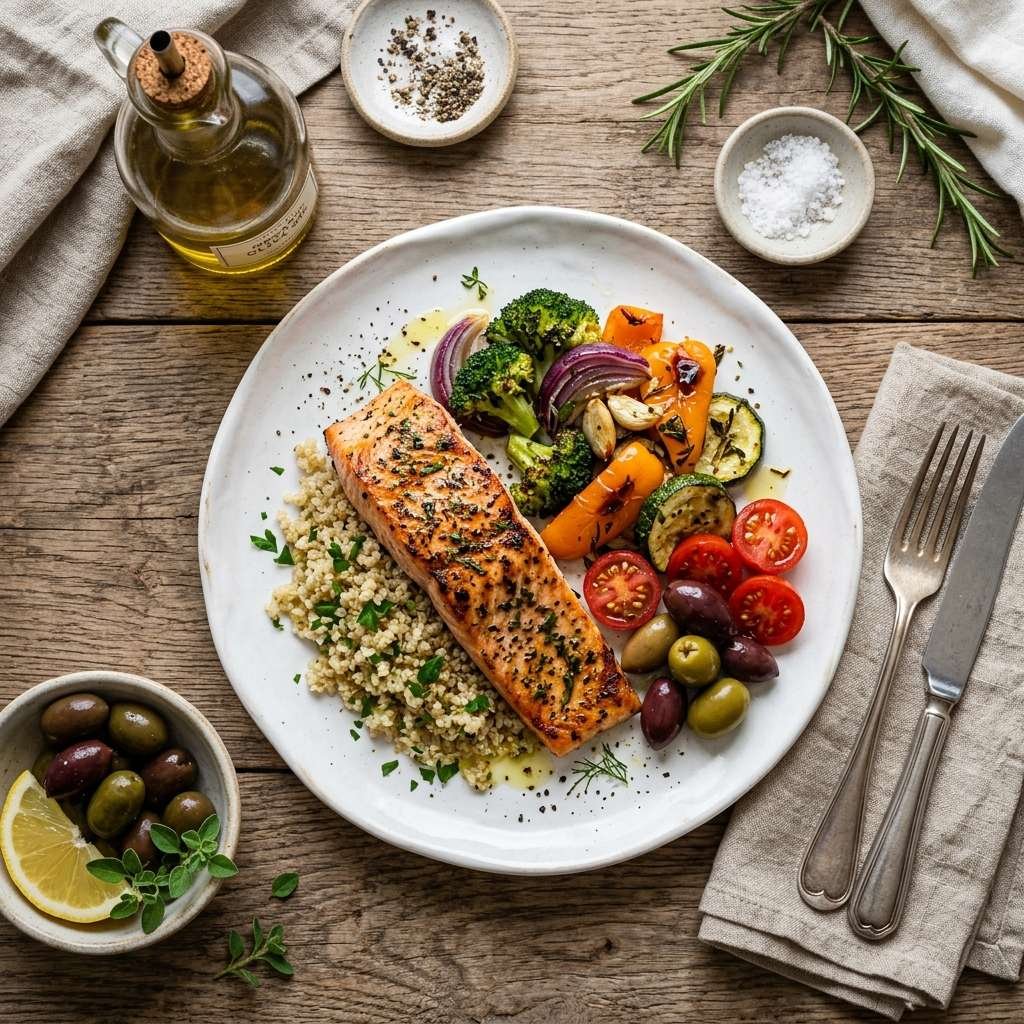
You want a long, healthy life. But between deadlines, family, and a dinner plan that changes every night, "eat like a centenarian" can sound like advice for people with endless free time. Here is the good news: the longest-lived people on Earth are not following complicated protocols. They follow simple habits they repeat every day. In this guide to Blue Zones longevity secrets for busy people, we look at how residents of Ikaria in Greece and Sardinia in Italy eat, move, and connect, and how you can borrow their best habits without leaving your city. No expensive supplements. Just small changes that fit around a real schedule.
What Makes Ikaria and Sardinia Different?
"Blue Zones" is the term for regions where people reach very old age at unusually high rates and stay active for much of it. Ikaria and Sardinia are two of the best known. Their lifestyles look different on the surface, yet they share the same foundations.
The Ikarian Way: Slow Days and Simple Food
Ikaria is a Greek island where the pace of life is famously unhurried. Many residents take afternoon naps, eat late, and spend long evenings with neighbours. Stress is a major driver of poor sleep and poor eating choices, so it makes sense that a lifestyle with less rushing supports better health. The Ikarian kitchen is built around wild greens, beans, potatoes, olive oil, and herbal teas, all cooked simply at home.
Sardinia: Mountain Villages and Strong Family Bonds
The longevity hotspot in Sardinia is its mountainous interior. Traditionally, many people there worked as shepherds and farmers, which meant walking for hours every day. Families also tend to stay close, so older people remain part of daily life instead of being isolated. Movement and belonging are as important here as any food on the table.
What People in Ikaria and Sardinia Eat to Live Longer
If you are wondering what people in Ikaria and Sardinia eat to live longer, the answer is refreshingly ordinary. It is not one superfood. It is a pattern: mostly plants, mostly whole foods, and mostly home cooking.
Plants, Beans, and Olive Oil at the Centre of the Plate
Beans, lentils, and chickpeas show up in Blue Zones meals again and again. They are cheap, filling, high in fiber, and rich in protein. Vegetables and wild greens fill the rest of the plate, and olive oil is the main fat. Meat is eaten in small amounts, often only a few times a month. If you cook dal, chana, or a simple vegetable stew at home, you are already close to this way of eating.
Small Portions, Whole Grains, and Fermented Dairy
Sardinians traditionally eat barley and sourdough bread rather than heavily refined flour. Dairy comes mostly from sheep and goat milk, often as yogurt or cheese, in modest portions. Many Blue Zones communities also follow the habit of stopping before they feel completely full. That simple pause helps prevent overeating without any calorie counting.
How to Bring Blue Zones Habits Into a Busy Life
Knowing the theory is easy. The hard part is doing it on a Tuesday night after a long day. These longevity diet habits from Blue Zones work best when you keep them small and specific.
Three Kitchen Swaps You Can Make This Week
- Swap one meat meal for a bean meal. Try lentil soup, chana masala, or a chickpea salad. Cook a big batch on the weekend and eat from it for days.
- Swap refined snacks for whole ones. Keep nuts, fruit, and yogurt within reach so the easy option is also the healthy one.
- Swap sugary drinks for herbal tea. A warm cup in the evening also gives you a moment to slow down, which is very Ikarian.
Build Movement and Connection Into Your Day
You do not need a two-hour gym session. Blue Zones residents move naturally: walking to shops, gardening, climbing stairs. Try a ten-minute walk after lunch or dinner, take calls on your feet, and park farther away. Then add the social side. Eat one meal a week with family or friends, phone someone you care about, and protect your sleep. Connection and rest are part of longevity, not extras.
Final Thoughts
The lesson from Ikaria and Sardinia is that long life is built from ordinary daily choices, not extreme ones. If you want to know how to live longer like Blue Zones residents, start small: add one bean meal, take one daily walk, and share one meal with someone you like each week. Do these things for months, not days, and they become part of who you are. Pick one habit today and begin there.
Frequently Asked Questions
1. Do people in Blue Zones really live to 100?
Some do, but not everyone. Blue Zones have more people reaching very old age than average, and some researchers question how accurate old birth records are. The habits are still backed by broader nutrition research, whatever the exact ages.
2. Do I have to give up meat completely?
No. Blue Zones diets are mostly plant-based, but meat is eaten in small portions and less often. Reducing it is enough to start.
3. Is wine part of the Sardinian diet?
Moderate wine with meals and friends is common in Sardinia. It is not required, and if you do not drink, you lose nothing. The food, movement, and community matter more.
4. Can I follow this diet on a small budget?
Yes. Beans, lentils, seasonal vegetables, whole grains, and oats are among the cheapest foods you can buy, and they are the core of the pattern.
5. How long before I notice any benefits?
Many people notice better energy, digestion, and sleep within a few weeks. Longevity benefits build slowly over years, so consistency matters more than perfection.